Edurne Pasaban ayuda a las organizaciones en la mejora y crecimiento de sus equipos a través de sus conferencias y workshop.

Everest
8.848 m
SOLICITA TU PROPUESTA
El techo del mundo
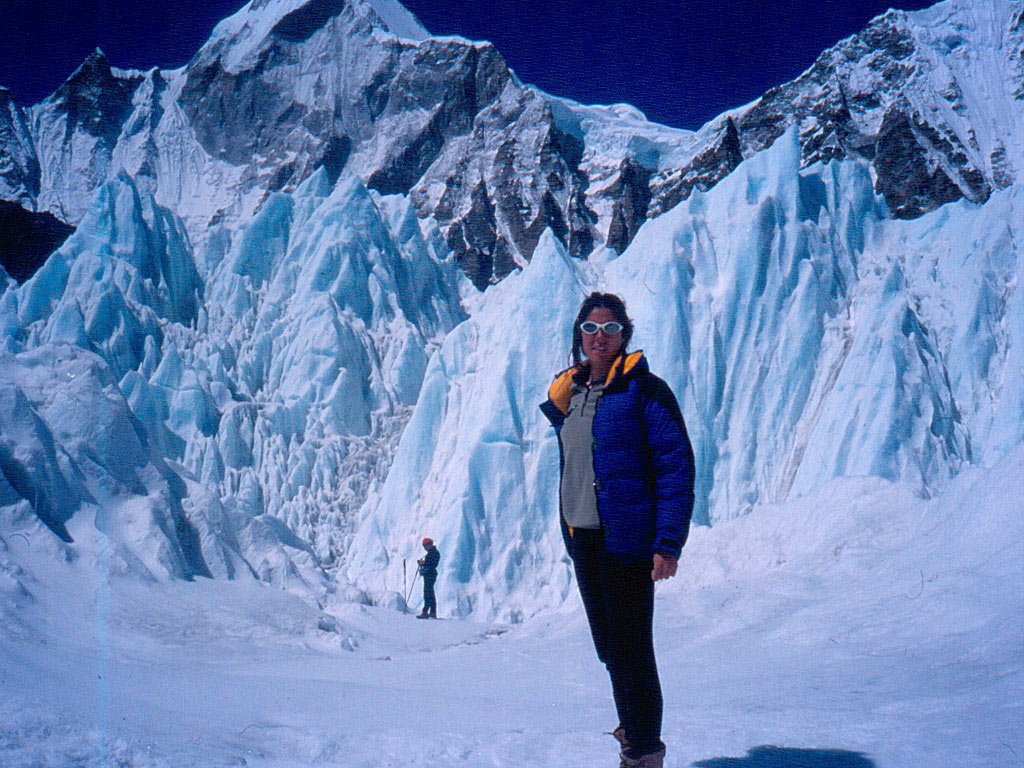
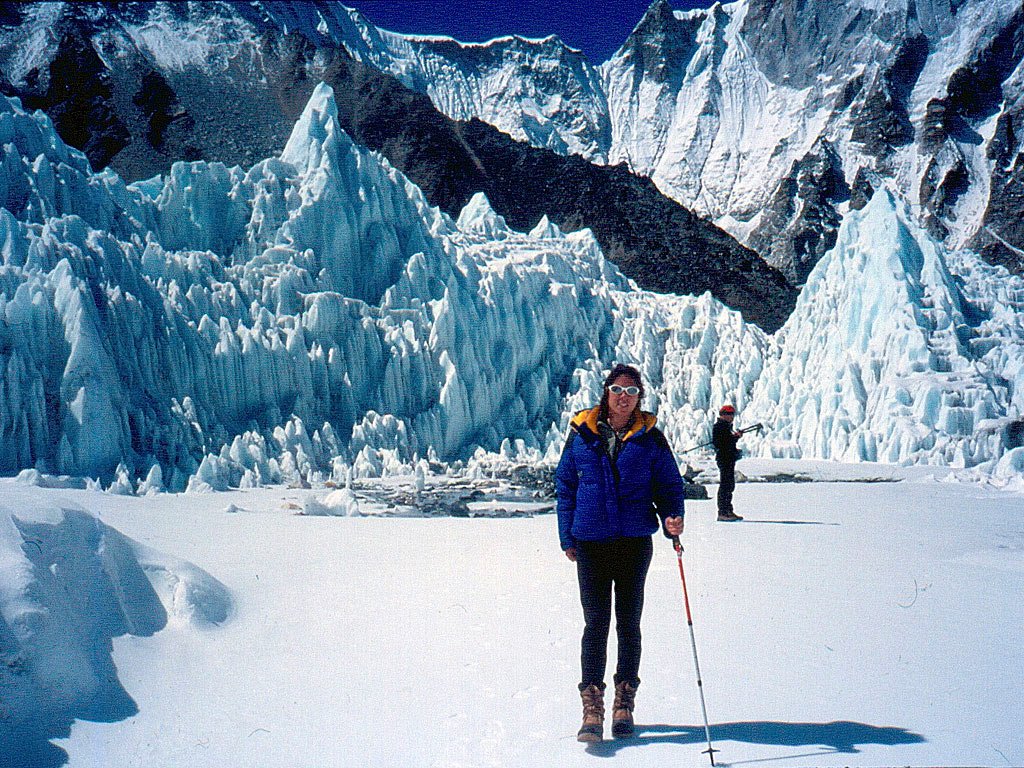
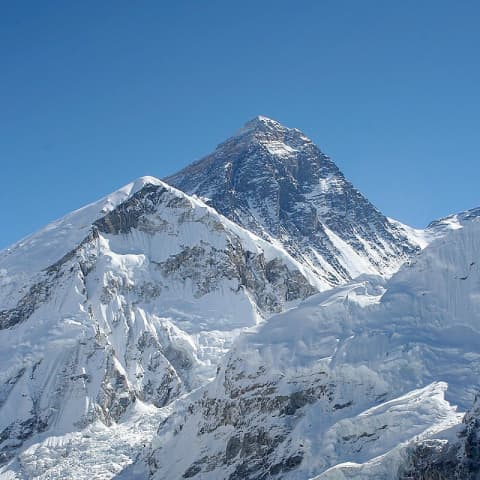
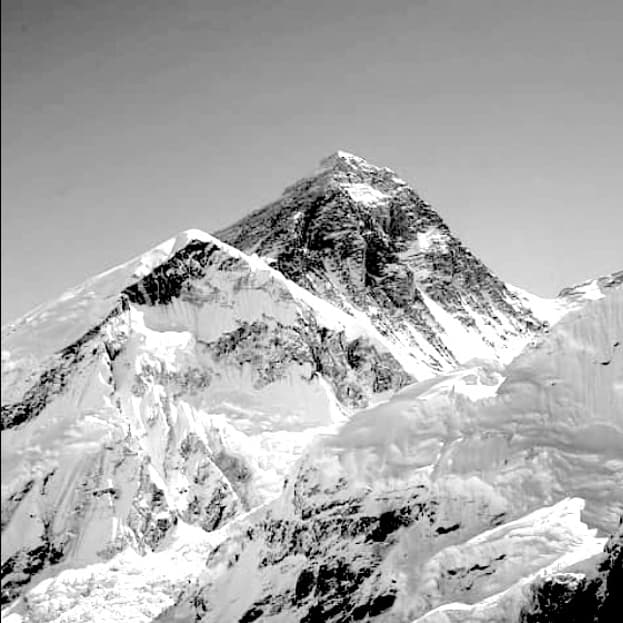
El techo del mundo fue el primer 8.000 que subió Edurne Pasabán. El mítico Everest abrió la carrera de la tolosarra hacia los 14 ochomiles en 2001.
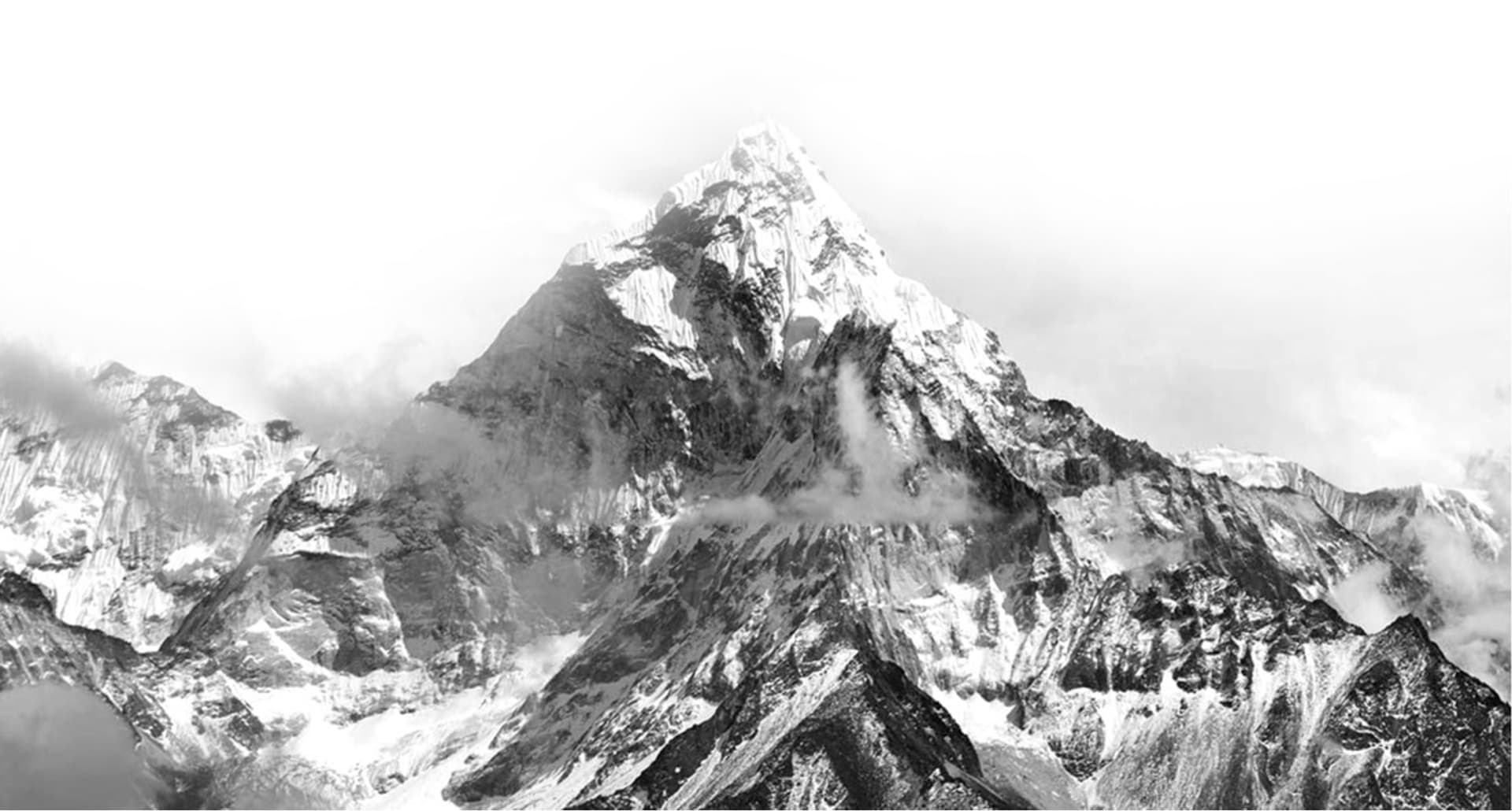
Sus 8.848 metros han hecho del mal llamado Everest la montaña más famosa del planeta – por ser la más alta. Su nombre en tibetano es Chomolungma (la Diosa Madre de la Abundancia), o Sagarmatha en lengua Sherpa (la etnia que habita el valle del Khumbu, en cuya cabecera se alza la montaña). Cada primavera, cientos de hombres y mujeres buscan su cumbre – tal vez demasiados: la progresiva comercialización de la montaña ha dado lugar a una creciente polémica.
Muy pocos la intentan sin oxígeno suplementario, y casi nadie se aventura fuera de las dos rutas «normales», que se equipan a conciencia – y eso que la montaña cuenta con 18 rutas, algunas de ellas aún esperando su primera ascensión completa.
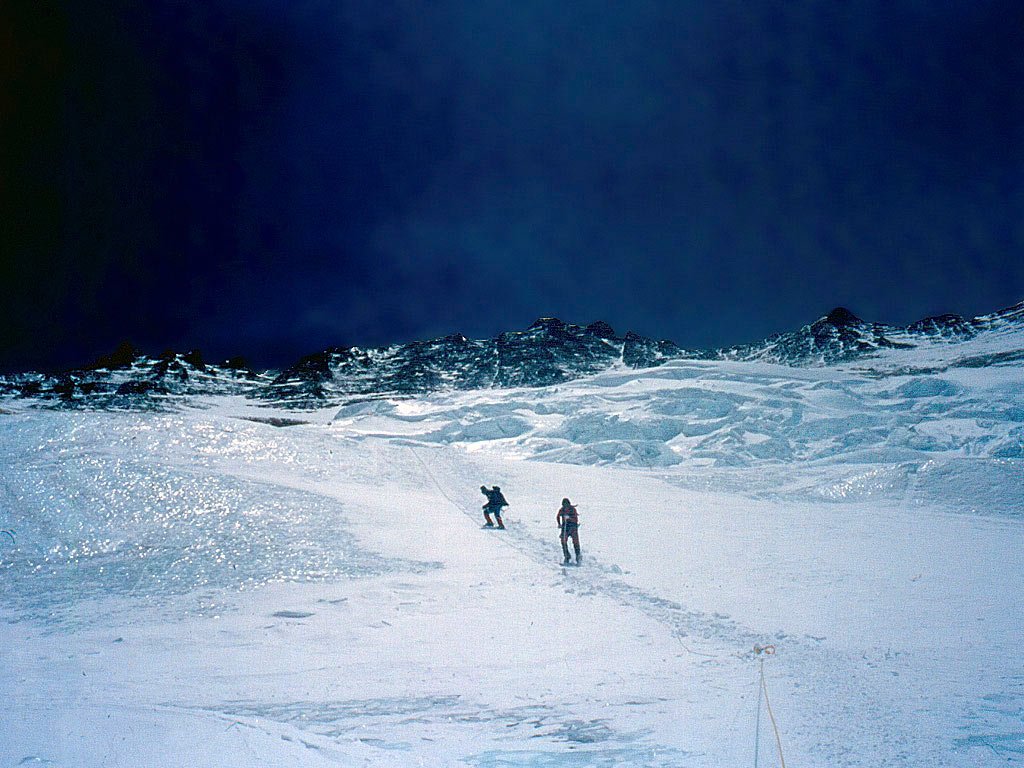
Por lo demás, el Everest no es una montaña muy difícil técnicamente, pero sus casi 9.000 metros hacen de ella una batalla contra el cansancio y los estragos del frío y la altitud; menospreciarla es un error que puede pagarse muy caro. En particular, el Everest se cobra víctimas durante el descenso, y no tanto debido a accidentes como por agotamiento, fallos en los sistemas de oxígeno y exposición a la altitud extrema.
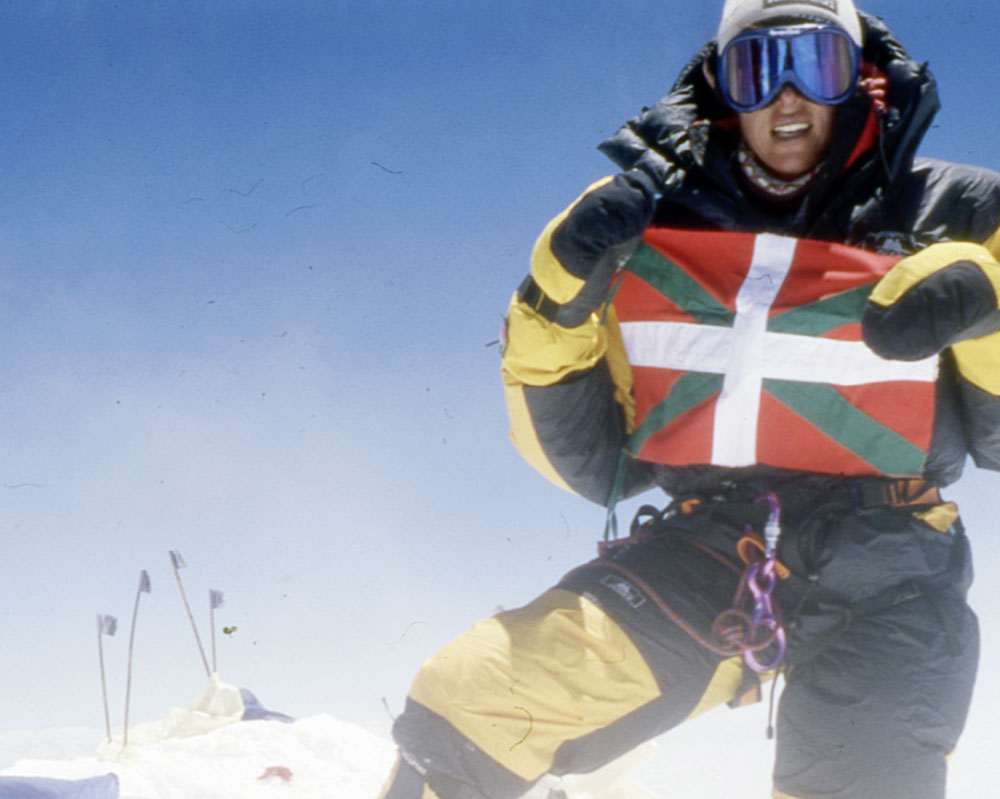
El Everest fue el primer ocho mil de Edurne: lo ascendió en 2001. Entonces usó oxígeno suplementario, y en el futuro se plantea volver para intentar ascenderlo sin la ayuda del gas embotellado.
Cumbre conseguida por Edurne Pasaban el 23 de mayo de 2001.