Edurne Pasaban ayuda a las organizaciones en la mejora y crecimiento de sus equipos a través de sus conferencias y workshop.

Challenges
A challenge which made history.
On the 17th of May 2010, Edurne Pasaban became the first woman to climb the 14 eight-thousanders in just twenty expeditions, which is an extremely high success rate for the Himalayas.

REQUEST YOUR PROPOSAL
The journey
They risk falling into crevasses or over precipices, being buried by avalanches, swept away by a storm, suffering from hypothermia, frostbite and altitude sickness, or simply collapsing from exhaustion.
Those who take on the colossal mountains of the Himalayas must venture into what’s known as the ‘Zone of Death’ above 7,500 metres, where the body is incapable of acclimatising, and literally consumes itself until it dies.
And as the mountaineer Lionel Terray used to say, all this just to «conquer the useless».
And that’s if you actually make it to the summit, because the chances are you won’t. Climbing requires weeks of preparation including acclimatisation, multiple partial climbs to set up camps and work on the route, violent storms which prevent you from carrying out these tasks and multiply the risk of avalanches etc.
When the ideal conditions for attacking the summit finally arise, if they arise, you normally only have time and energy for one attempt.
The question is: Is it worth risking and suffering so much? For Edurne Pasaban, the answer is ‘yes’.
The challenge
To reach the foot of a mountain you have to to trek on foot for days, across increasingly higher and more isolated land, until you find yourself in a hostile world of rock and never-ending ice.
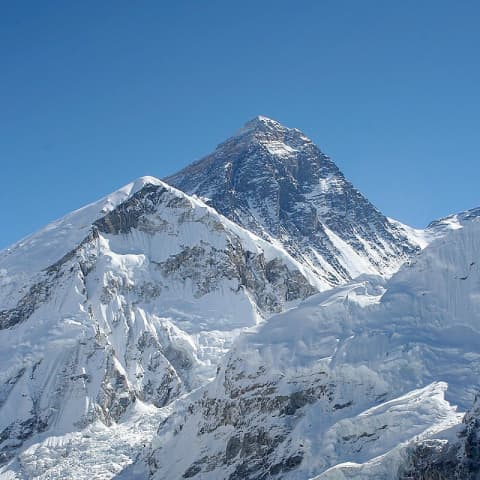
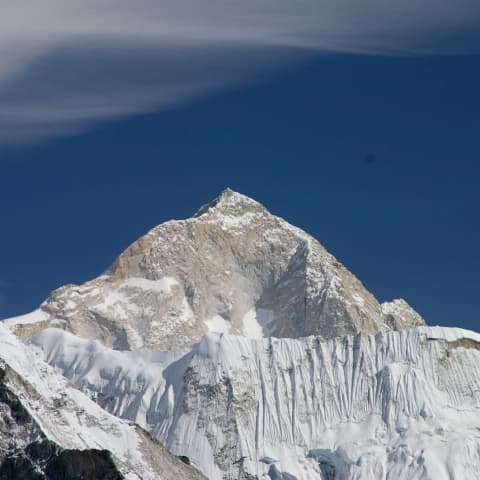
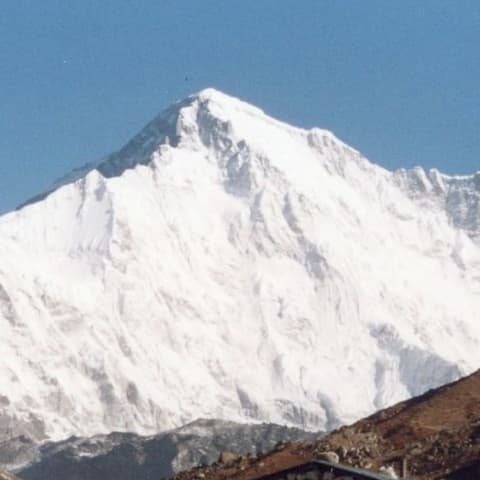
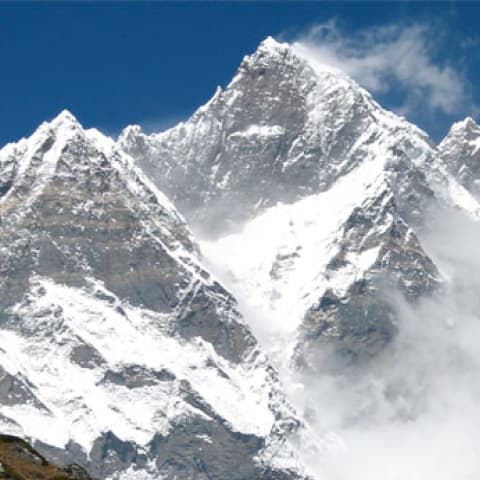
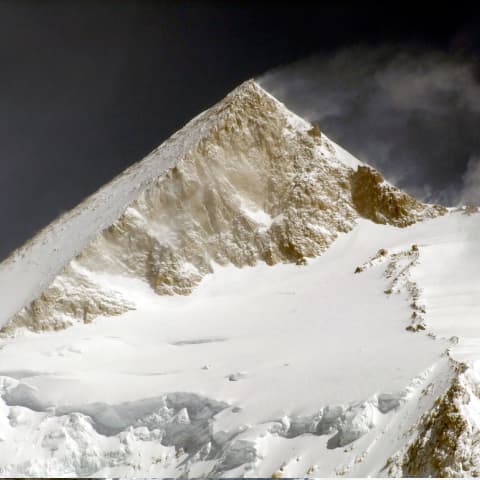
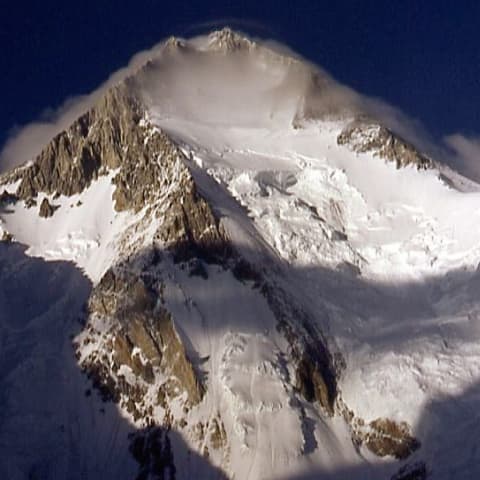
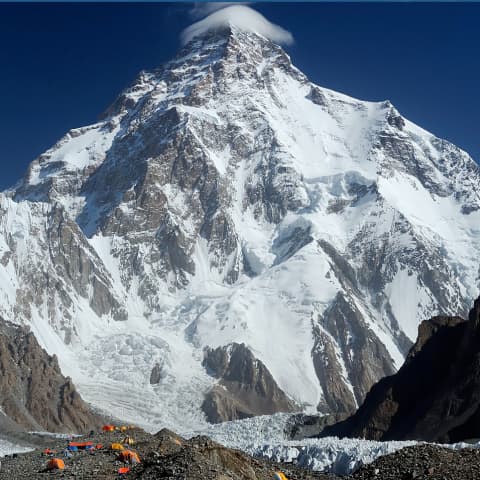
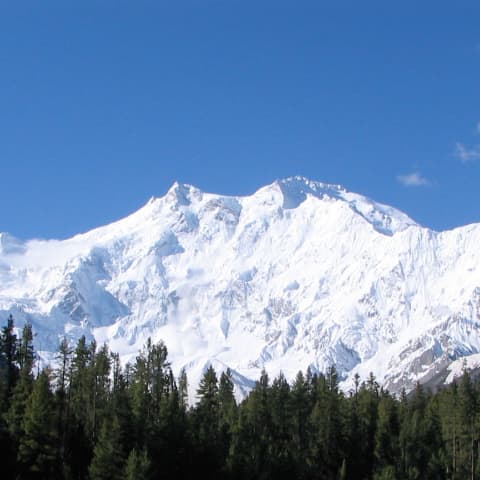
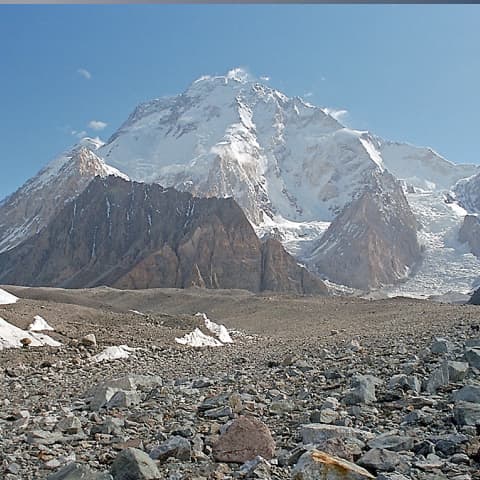
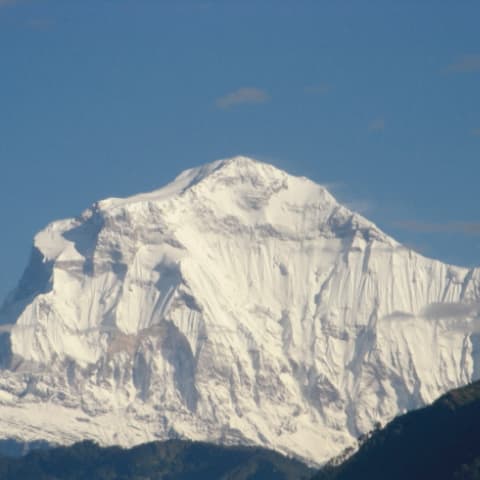
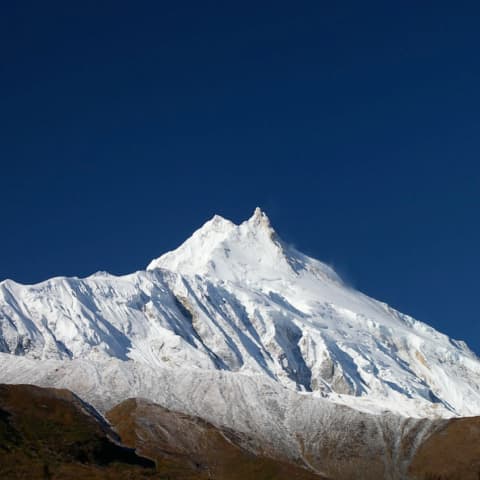
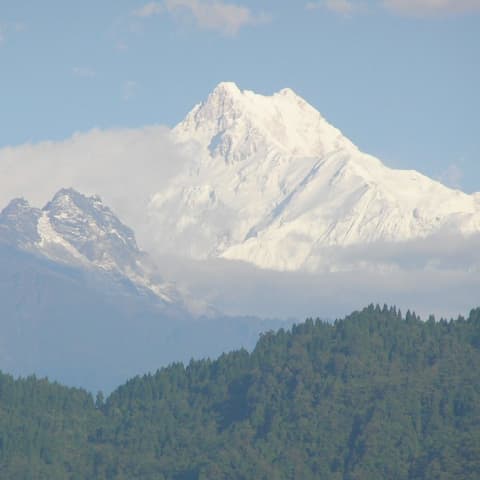
Seen from up close, the eight-thousanders appear to be immense and impregnable.
Attempting to climb to the summit is, depending on how you look at it, an act of madness or the challenge of a lifetime.
Before Edurne, 20 other people had completed the 14 eight-thousanders and all of them were men.
It’s not surprising: climbing just one of these mountains requires experience, mastery of rock, ice and snow progression techniques, physical and mental training, time, money, a capacity for suffering and luck. However, contemplating climbing them all is only conceivable for professional mountaineers who dedicate their lives to this, and it’s no easy life.
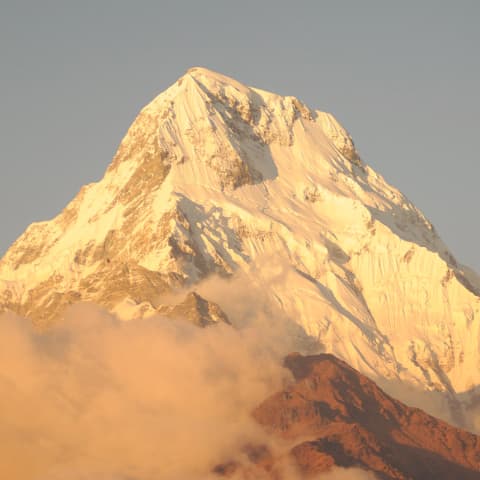
There are 14 peaks on the planet higher than 8,000 metres, spread out over the great Asian mountain ranges of the Himalayas and the Karakoram.
History
The French climbers Maurice Herzog and Louis Lachenai were the first to reach the summit of a peak over 8,000 metres: Annapurna in 1950. That was half a century after the first expedition by British mountaineers Albert Mummery, Geoffrey Hastings and J. Norman Collie had ended in tragedy.
The Italian Reinhold Messner dedicated 16 years of his life to being the first man to climb the 14 eight-thousanders, a feat which he achieved on the 16th of October 1986. Without oxygen and opening up six new routes, this epic mountaineer would continue to write history.
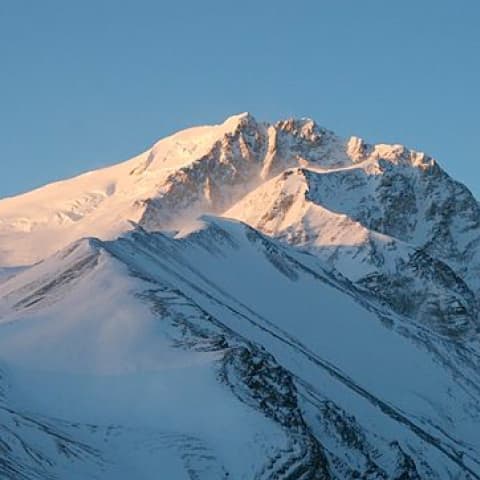
And on the 17th of May 2010, Edurne Pasaban would write her own page in history when she became the first woman to complete the 14 eight-thousanders by reaching the summit of Shisha Pangma.
The history of mountaineering is a tale of struggle, sacrifice, strength and a desire for personal triumph.
Everest without oxygen
A few months after becoming the first woman to conquer the 14 eight-thousanders on the planet, Edurne returned to the Himalayas. A new challenge awaited the mountaineer: that of climbing Everest (8,848m), the highest mountain on earth, without the aid of supplemental oxygen.
On this adventure she discovered that over and above reaching the summit, the real objective is survival.